
Vet Visits by Life Stage
Healthy adults: at least yearly; kittens & seniors: more frequent. Wellness checks catch problems early and tailor nutrition, vaccines, and screening.
From playful kittens to wise seniors, here’s your cute, comprehensive, and evidence‑based handbook to nutrition, vaccines, hygiene, dental care, enrichment, and everyday safety. Crafted with love by Priyanshu for cat parents who want the very best.
Twice yearly for seniors; tailor care by life stage.
FVRCP + Rabies; non‑core by lifestyle & risk.
Portion control, fresh water, and healthy weight.


These simple steps add healthy years: regular vet visits, core vaccines, parasite prevention, dental care, and weight management. Keep litter boxes clean (one per cat plus one extra), provide fresh water, and enrich indoor life with play, scratching posts, and safe window views.
Healthy adults: at least yearly; kittens & seniors: more frequent. Wellness checks catch problems early and tailor nutrition, vaccines, and screening.

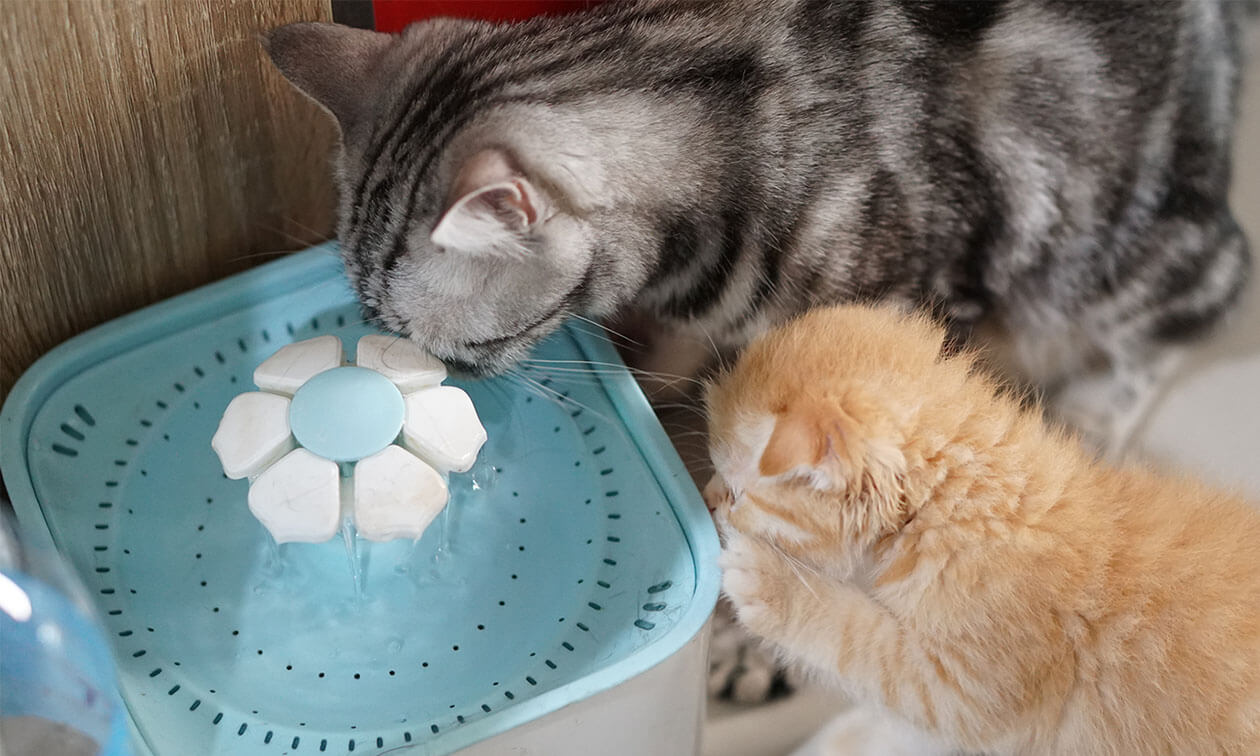
Choose complete, balanced diets for life stage; measure portions; avoid free‑feeding if weight creeps up; encourage hydration with wet food and fountains.

Daily play, climbing spaces, and scratching surfaces maintain a healthy weight and prevent stress‑related behavior issues.
Cats age in distinct stages. Your vet will tailor screening and care. Use this table as a friendly overview, not a substitute for individualized advice.
Bring a small towel or familiar blanket in the carrier to reduce stress, and keep carriers out at home so they feel normal.
| Life Stage | Age | Vet Visits | Screening & Care |
|---|---|---|---|
| Kitten | 0–6 mo | Every 3–4 weeks | Vaccines series, deworming, fecal tests, microchip, spay/neuter, nutrition for growth, socialization. |
| Junior | 7 mo–2 yr | Every 6–12 months | Booster vaccines, parasite prevention, diet transition to adult, behavior guidance. |
| Adult | 3–6 yr | Annual | Weight & dental checks, vaccine boosters per risk, wellness bloodwork as advised, enrichment. |
| Mature | 7–10 yr | Every 6–12 months | Screen for early kidney/thyroid disease, arthritis management, dental cleanings. |
| Senior | 11–14+ yr | Every 6 months | Comprehensive exams, blood/urine pressure checks, pain control, mobility aids, diet for senior needs. |
Core vaccines protect all cats: FVRCP (feline viral rhinotracheitis/herpes‑1, calicivirus, panleukopenia) and Rabies where required. Non‑core vaccines (e.g., FeLV for at‑risk adults) depend on lifestyle and local disease risk. Your veterinarian will personalize timing.
| Vaccine | Type | Typical Timing | Notes |
|---|---|---|---|
| FVRCP | Core | Kittens: every 3–4 wks until ≥16 wks; booster at ~1 yr; thereafter per vet (often q 1–3 yrs). | Prevents herpes‑1, calicivirus, and panleukopenia. |
| Rabies | Core (legal in many regions) | Single dose at ~12–16 wks; booster at ~1 yr; then per local law/product label. | Protects cats and people from a fatal disease. |
| FeLV (Leukemia) | Core for kittens; non‑core for adult risk | Two‑dose series from 8+ wks; booster at ~1 yr; continue for at‑risk cats. | Discuss risk (outdoor, multi‑cat households, new adoptions). |
| Others (e.g., Chlamydia, Bordetella) | Non‑core | Case‑by‑case in shelters/catteries or outbreak risk. | Use when lifestyle or environment warrants. |

Bring vaccine and medical records to every visit. Ask your vet about localized vaccine schedules and low‑stress handling.
Choose complete, balanced diets appropriate to age and health. Measure portions, monitor body condition (visible waist from above, ribs felt under light fat), and use puzzle feeders. Wet food helps hydration; many cats enjoy multiple small meals.
Even a little extra weight increases risk for diabetes and arthritis. Schedule regular weigh‑ins and play daily to keep calories burning.


Plaque and tartar lead to gum disease and pain. Daily tooth brushing with pet‑safe toothpaste is best. Ask your vet about professional cleanings and dental diets or treats accepted by veterinary dental organizations.

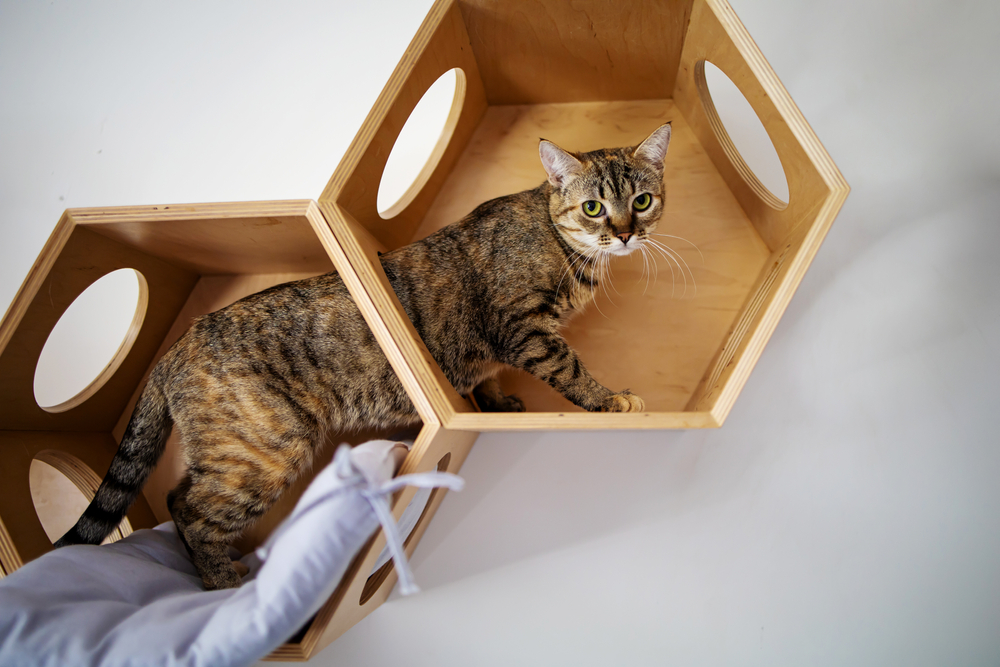
Active minds and bodies reduce stress and behavioral issues.
Leave the carrier open at home with treats/blankets so it feels safe before vet day.
Keep cords tidy, windows secured, and toxic items out of reach. Many human foods and plants are dangerous to cats.
| Never Feed | Why |
|---|---|
| Chocolate, caffeine | Toxic stimulants |
| Onion, garlic, chives | Can damage red blood cells |
| Grapes & raisins | Kidney risk |
| Alcohol, xylitol | Severe toxicity |
| Raw meat/eggs/bones | Pathogens & injury |
| Dog food (as a diet) | Nutritionally unbalanced for cats |
If ingestion occurs, contact your veterinarian or a poison control line immediately.

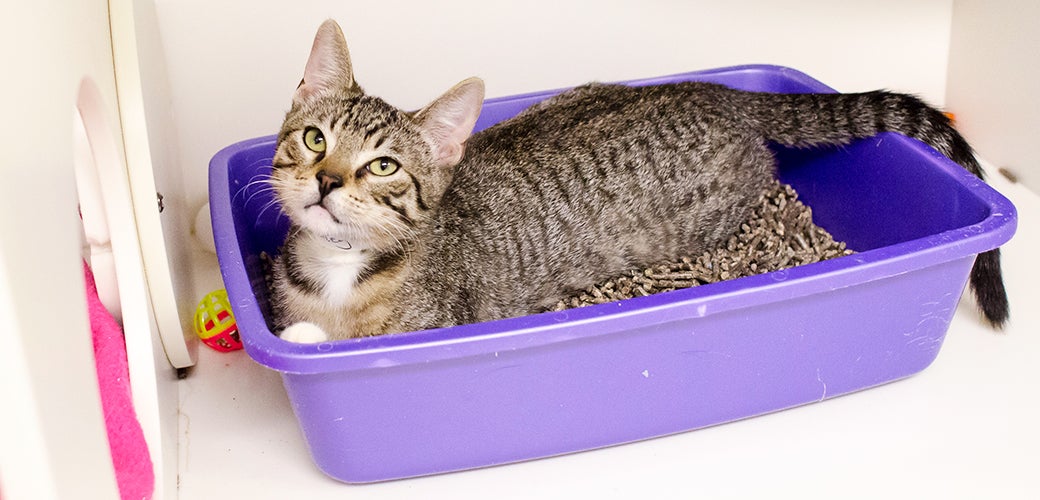
Scoop daily and wash hands after. Pregnant people should avoid cleaning litter or use gloves per medical advice.
Older cats thrive with comfort and consistency. Schedule biannual exams and ask about screening for kidney disease, hyperthyroidism, and blood pressure.

Seek urgent veterinary care if you notice: labored breathing, collapse, repeated vomiting, straining to urinate (especially male cats), seizures, or suspected poisoning.

Tick the boxes as you build healthy habits.
Healthy adult cats should be examined at least once a year; kittens and seniors typically need more frequent visits. Your veterinarian will personalize the schedule.
Core vaccines include FVRCP and Rabies (where required by law). FeLV is core for kittens and recommended for adults based on risk. Non‑core vaccines depend on lifestyle.
Both can be healthy if complete and balanced. Wet food often helps with hydration; some cats benefit from a mix. Portion control and total calories are key.
Regular brushing, high‑quality diets, and play to reduce over‑grooming help. Ask your vet about hairball‑control diets or lubricants if needed.
Trusted veterinary resources used to shape this guide: